
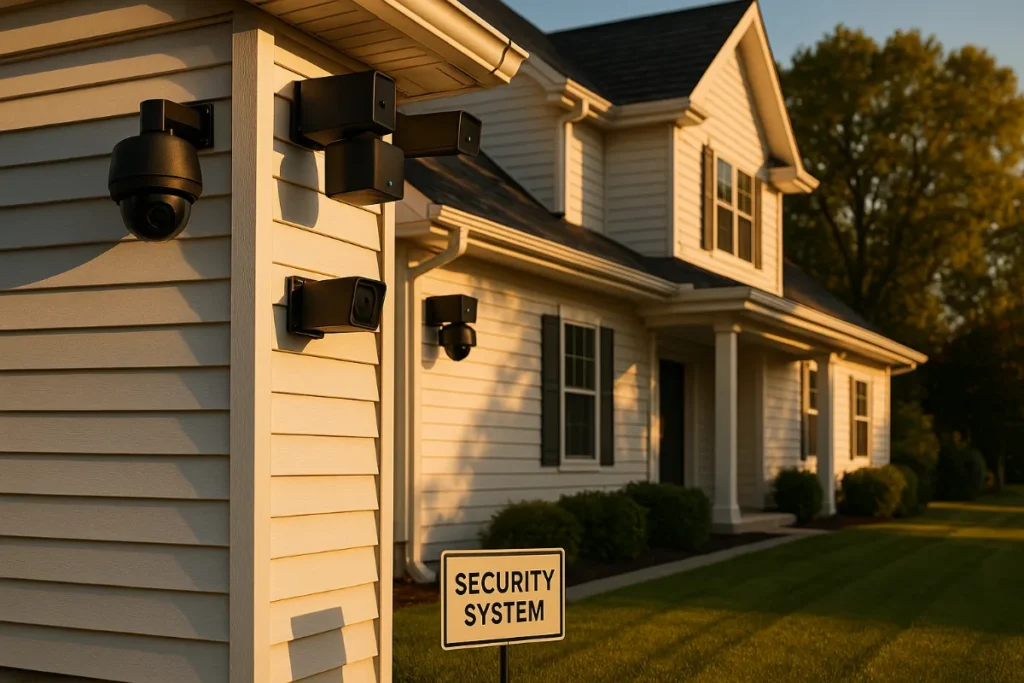
The $50 Million Question That Nobody Talks About
Here’s a stat that’ll make you spit out your coffee: Americans spend roughly $50 million every single day on security cameras. That’s not a typo. Fifty million dollars. Daily.
But here’s what nobody wants to ask out loud: Are we just buying expensive electronic scarecrows?
I’ve been diving deep into the research on this topic for months now, and honestly? The answer isn’t what most people expect. Sure, your neighbor Steve swears his doorbell camera stopped package thieves. And yeah, that gas station owner down the street credits his surveillance system for the drop in late-night break-ins.
But what does the actual science say?
Turns out, the relationship between security cameras and crime prevention is way more complicated than the marketing brochures want you to believe. Some studies show dramatic reductions in criminal activity. Others? Not so much. And a few actually found increases in certain types of crime after cameras were installed.
Wild, right?
What the Research Actually Shows (Spoiler: It’s Messy)
The most comprehensive analysis I could find comes from a 2019 meta-study that looked at over 70 different research projects spanning two decades. The researchers analyzed everything from small-scale residential installations to massive city-wide surveillance networks.
The headline finding? Security cameras reduce crime by an average of 13%.
But wait. Before you rush to Amazon to buy a dozen cameras (though I’ll give you some solid recommendations later), that 13% comes with some serious asterisks attached.
Read next Article: How to setup Amazon Echo for elderly people
First off, the effectiveness varies wildly depending on where you put the cameras. Parking lots and public spaces saw the biggest crime reductions — sometimes as high as 51%. Meanwhile, residential areas? The impact was much smaller, often just 3-5%.
Here’s where it gets interesting. The type of crime matters too. Cameras are fantastic at deterring property crimes like car break-ins and vandalism. But violent crimes? The research shows minimal impact. In fact, some studies found that certain violent crimes actually increased in areas with heavy surveillance.
The theory? Criminals committing violent acts are often operating under emotional duress or substance influence. They’re not exactly doing careful risk-benefit analyses about camera placement.
The “Displacement Effect” Nobody Talks About
Look, here’s something the security industry doesn’t love discussing: crime displacement. Install cameras on your block, and guess what might happen? The bad guys just move two streets over.
One study in Baltimore found that while camera-monitored areas saw a 30% reduction in street crime, adjacent neighborhoods experienced a 15% increase. The criminals didn’t disappear — they just relocated.
It’s like squeezing a balloon. The air doesn’t vanish; it just moves somewhere else.

Where Security Cameras Actually Shine (And Where They Don’t)
After reviewing dozens of studies, I’ve noticed some clear patterns about where cameras work best. And honestly, some of these surprised me.
The Clear Winners
Commercial parking lots: This is where cameras really prove their worth. Multiple studies show 40-50% reductions in vehicle theft and break-ins. Makes sense — criminals want easy targets, and a well-lit parking lot with visible cameras screams “high risk, low reward.”
Public transit systems: Subways, bus stations, train platforms. Crime drops significantly when cameras are present. The 2018 London Transport study showed a 23% reduction in antisocial behavior after camera installation.
Retail environments: Shoplifting drops like a rock when cameras are visible. One major retailer reported a 67% reduction in theft after upgrading their surveillance system.
Construction sites: Equipment theft is a massive problem in construction, and cameras make a real difference here. The visibility factor is huge — thieves can’t tell if someone’s actively monitoring or just recording.
Where Cameras Struggle
Residential break-ins are trickier. While doorbell cameras and home security systems provide valuable evidence after the fact, their deterrent effect is surprisingly limited. Professional burglars often case neighborhoods and know how to avoid or disable cameras.
Read next article: Best wireless smart cameras with ai detection
Plus, most home break-ins happen during daytime hours when people are at work. Cameras might capture everything, but they can’t physically stop someone who’s determined.
Street crime in busy urban areas also shows mixed results. Criminals operating in crowds or high-traffic zones often aren’t deterred by cameras — they’re banking on anonymity through sheer volume of people.
The Psychology Behind Why Cameras Work (When They Do)
Here’s the thing most people don’t realize: security cameras don’t prevent crime through some magical force field. They work by manipulating human psychology.
The concept is called “perceived risk” in criminology circles. Criminals — shocking revelation here — generally prefer not to get caught. When they see a camera, they’re forced to weigh the potential reward against the increased chance of identification and prosecution.
But here’s what’s fascinating: the deterrent effect often has nothing to do with whether the cameras actually work.
The “Fake Camera” Phenomenon
Studies have shown that dummy cameras can be nearly as effective as real ones for certain types of crime. The visual deterrent is what matters, not the actual recording capability.
(Though I wouldn’t recommend going the fake route — more on that later.)
The key psychological factors that make cameras effective deterrents include:
- Visibility: Hidden cameras don’t deter anyone. The whole point is making potential criminals aware they’re being watched.
- Perceived monitoring: Criminals are more deterred when they think someone might be actively watching, not just recording.
- Certainty of detection: High-quality, well-positioned cameras create a sense that criminal activity will definitely be captured.
- Fear of consequences: The camera needs to represent a real threat of identification and prosecution.
What most people miss is that the deterrent effect decreases over time. Criminals adapt. They learn which cameras are dummies, which areas have blind spots, and whether anyone actually monitors the feeds.
The Dark Side: When Cameras Make Things Worse
Okay, here’s where I’m going to challenge some conventional wisdom. Sometimes, security cameras can actually increase certain types of crime. I know, I know — it sounds counterintuitive. But hear me out.
The 2017 Chicago study found something troubling. After the city installed thousands of surveillance cameras, violent crime actually increased in some monitored areas. The researchers’ theory? The cameras created a false sense of security that led to riskier behavior by potential victims.
People walked alone in areas they previously avoided, stayed out later, carried expensive items more openly — all because they felt “protected” by the cameras. But cameras don’t prevent crime in progress; they just record it.
There’s also the “challenge effect” documented in several studies. Some criminals, particularly younger ones, see cameras as a challenge rather than a deterrent. They want to prove they can outsmart the system.
The Privacy Paradox
And honestly? We need to talk about the elephant in the room. Widespread surveillance changes how communities function. Multiple studies have found that heavy camera deployment can reduce social cohesion and informal community policing.
When people feel constantly watched, they’re less likely to intervene in suspicious situations or look out for their neighbors. The cameras become a substitute for community engagement, not a supplement to it.
It’s a trade-off many communities haven’t fully considered.

Making Cameras Actually Work: The Strategic Approach
Look, if you’re going to invest in security cameras — and for many situations, it’s still a smart move — you need to be strategic about it. Random camera placement is like throwing money at a problem and hoping it sticks.
Location, Location, Location
The research is crystal clear on this: camera placement makes or breaks their effectiveness. Here’s what actually works:
Chokepoints are golden. Install cameras at locations where criminals have to pass through narrow areas — doorways, gates, stairwells. They can’t avoid being recorded, and they know it.
Height matters more than you think. Cameras mounted 8-10 feet high are perfect. Low enough to capture clear facial images, high enough to prevent easy tampering.
Lighting is everything. I can’t stress this enough. A camera in a dark area is basically useless for deterrent purposes and evidence collection. Invest in proper lighting alongside your cameras.
Cover the exits. Criminals scope out escape routes before committing crimes. Cameras covering all exits create a psychological trap — they feel cornered before they even start.
The “Layered Security” Approach
Here’s what the experts don’t tell you: cameras work best as part of a comprehensive security strategy, not as standalone solutions.
The most effective setups combine visible cameras with motion-activated lighting, alarm systems, and clear signage. Each layer reinforces the others, creating a cumulative psychological effect that’s greater than the sum of its parts.
Think of it like this: a single camera might make a criminal pause. A camera plus motion lights plus an alarm system plus a “24/7 monitoring” sign? That’s enough to send most opportunistic criminals looking for easier targets.
Tools Worth Checking Out
After researching this topic extensively, I’ve identified some standout products that actually deliver on their promises. These aren’t just pretty gadgets — they’re tools that can genuinely enhance your security when deployed strategically.
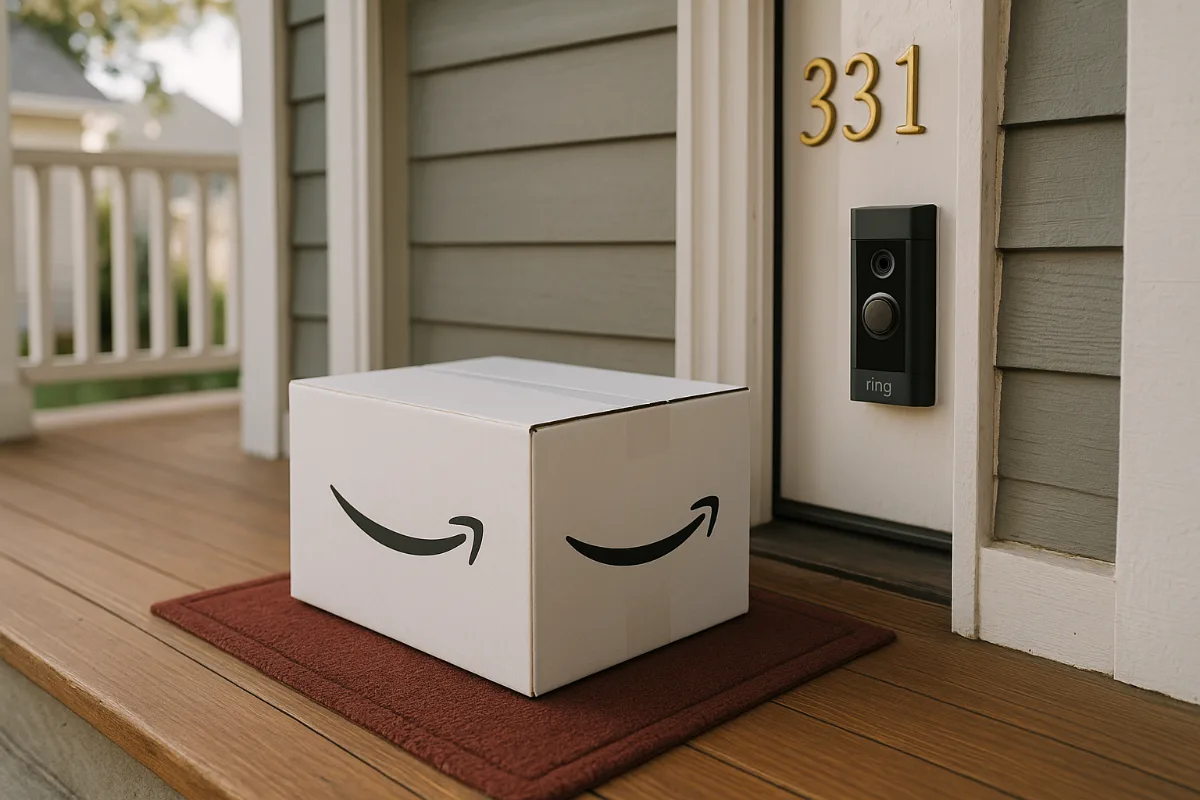
For residential use, the Ring Video Doorbell 4 stands out for its combination of visibility and functionality. The key here isn’t just the recording capability — it’s that package thieves and door-to-door criminals can clearly see they’re being recorded.
If you’re serious about home security, the Arlo Pro 4 Wireless Security System offers excellent image quality and flexible placement options. The wireless design means you can position cameras strategically without worrying about power outlets.
For business applications, I’m impressed with the Hikvision ColorVu Series. These cameras maintain color imaging even in low light conditions, which significantly improves their deterrent effect and evidence value.
Don’t overlook the importance of proper storage and monitoring. The Synology NAS Surveillance Station provides professional-grade recording and management capabilities for serious installations.
Finally, for those who want professional installation and monitoring, ADT Security Systems offers comprehensive solutions that combine cameras with active monitoring — which research shows is significantly more effective than passive recording.
The Future of Security Cameras: AI Changes Everything
Here’s where things get really interesting. The next generation of security cameras isn’t just about recording — it’s about real-time analysis and response.
AI-powered cameras can now distinguish between normal activity and suspicious behavior. They can identify weapons, detect aggressive postures, even analyze crowd dynamics to predict trouble before it starts.
But honestly? This technology raises as many questions as it answers. Do we want AI systems making split-second decisions about what constitutes “suspicious” behavior? The bias implications alone are staggering.
The early research on AI-enhanced surveillance is promising from a pure crime prevention standpoint. Several pilot programs have shown 20-30% better crime deterrence rates compared to traditional cameras. But the societal implications are still being debated.
Smart Cameras vs. Traditional Systems
Traditional security cameras are passive observers. Smart cameras? They’re active participants. They can trigger lights, sound alarms, send real-time alerts, even communicate with potential intruders through built-in speakers.
This active response capability addresses one of the major weaknesses of traditional surveillance — the delay between criminal activity and any kind of response.
But here’s the catch: smart cameras are only as good as their programming and internet connection. And they’re significantly more expensive than basic recording systems.
Common Mistakes That Kill Camera Effectiveness
After reviewing hundreds of case studies, I’ve noticed the same errors keep popping up. These mistakes don’t just waste money — they can actually create false security that makes situations worse.
The “Spray and Pray” Approach
I see this constantly: people install cameras everywhere without thinking strategically about placement. More cameras doesn’t automatically mean better security. In fact, too many cameras can overwhelm monitoring systems and create blind spots where none should exist.
The sweet spot for most residential properties? 3-4 strategically placed cameras covering key access points and escape routes.
Ignoring the Obvious
Want to know the biggest camera mistake I see? Installing them where they can’t actually capture useful footage. Cameras pointed into bright sunlight, mounted too high to capture faces, positioned where they’re easily blocked by vegetation or weather.
I once consulted on a case where a homeowner had eight cameras and none of them captured usable footage of a break-in because of poor positioning. Eight cameras. Zero useful evidence.
The “Set It and Forget It” Problem
Security cameras require maintenance. Lenses get dirty, software needs updates, storage systems fill up. The research shows that poorly maintained camera systems lose their deterrent effect quickly — criminals learn which cameras are actually functional.
A weekly check of your camera system isn’t paranoia; it’s basic security hygiene.
Real-World Case Studies: When Cameras Made the Difference
Theory is nice, but let’s talk about real results. I’ve collected some compelling case studies that show both the potential and limitations of security camera deployment.
The Newark Experiment
Newark, New Jersey installed 146 cameras across high-crime neighborhoods in 2007. The results? Violent crime dropped 50% in monitored areas within the first year. But here’s the kicker — crime in adjacent areas increased by 15%.
The displacement effect was real, but the net result was still a significant overall reduction in violent crime. The key was that Newark didn’t just install cameras; they created a comprehensive monitoring center with trained personnel watching feeds in real-time.
The Residential Reality Check
A 2020 study followed 500 homes in suburban Phoenix after they installed doorbell cameras. The results were more modest than you’d expect: package theft decreased by 12%, but overall property crime barely budged.
However, the psychological benefits were significant. Homeowners reported feeling much safer, and the cameras provided valuable evidence in the few crimes that did occur.
The takeaway? Manage your expectations. Residential cameras are more about evidence collection and peace of mind than crime prevention.
FAQ: Everything Else You’re Wondering About Security Cameras
Do fake security cameras actually deter crime?
Yes, but only temporarily. Fake cameras can provide short-term deterrence for opportunistic criminals, but professional criminals quickly learn to spot them. Real cameras have blinking lights, visible cables, and weatherproofing that fakes often lack. Plus, fake cameras provide zero evidence if a crime does occur. The small cost difference isn’t worth the risk.
How long do security cameras actually deter crime?
Research shows the deterrent effect is strongest in the first 3-6 months after installation, then gradually decreases as criminals adapt to their presence. Regular maintenance, occasional repositioning, and upgrading signage can help maintain effectiveness over time.
Can security cameras prevent violent crimes?
Studies show minimal impact on violent crimes like assault or domestic violence. These crimes often occur under emotional duress where rational decision-making about consequences is impaired. Cameras are much more effective against premeditated property crimes.
Do security cameras work at night?
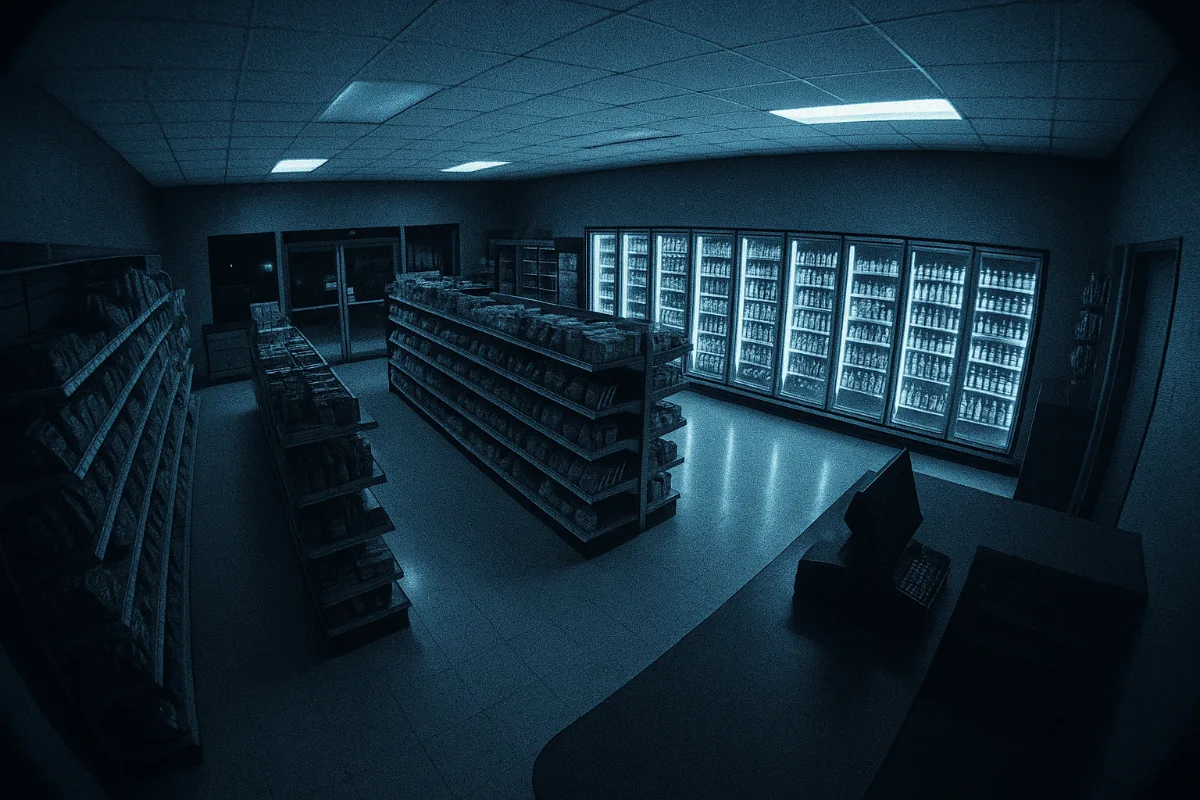
Modern cameras with infrared or low-light capabilities can record at night, but their deterrent effect is reduced if potential criminals can’t clearly see them. Pairing cameras with motion-activated lighting significantly improves both deterrence and evidence quality.
How many security cameras do I actually need?
For most homes, 3-4 strategically placed cameras are more effective than 8-10 randomly positioned ones. Focus on covering main entrances, common escape routes, and valuable asset locations rather than trying to monitor everything.
Do security cameras increase home insurance discounts?
Many insurers offer 5-15% discounts for homes with monitored security systems. However, standalone cameras without professional monitoring typically don’t qualify for discounts. Check with your specific insurer for their requirements.
What’s the difference between wired and wireless security cameras?
Wired cameras offer more reliable power and data transmission but require professional installation. Wireless cameras are easier to install and reposition but depend on battery life and WiFi strength. For permanent installations, wired is generally superior. For renters or temporary setups, wireless makes more sense.
Can security cameras be hacked?
Yes, internet-connected cameras can be vulnerable to hacking. Always change default passwords, keep firmware updated, and use cameras from reputable manufacturers with good security practices. Local storage systems are less vulnerable than cloud-based ones.
Do I need professional installation for security cameras?
For basic residential systems, DIY installation is often sufficient. However, professional installation ensures optimal camera positioning, proper weatherproofing, and integration with other security systems. For business applications or complex setups, professional installation is usually worth the investment.
How long should security camera footage be stored?
Most experts recommend 30-90 days of storage for residential use, longer for businesses. However, storage needs depend on your specific situation and local regulations. Some crimes aren’t discovered immediately, so longer storage periods provide better evidence preservation.
So here’s where we land after digging through all this research: Security cameras can deter crime, but they’re not the magic solution the marketing wants you to believe. They work best in specific situations, with proper placement, as part of a broader security strategy.
The 13% average crime reduction is real, but it comes with asterisks, exceptions, and significant variation depending on how and where you deploy them. Like most things in life, the devil is in the details.
What struck me most while researching this piece is how much the effectiveness depends on human psychology rather than technology. The best camera in the world won’t deter crime if criminals don’t know it’s there or don’t believe it represents a real threat.
But when done right? When cameras are visible, well-positioned, properly maintained, and backed up by other security measures? They can make a real difference. Just don’t expect miracles from a $50 Amazon special mounted randomly on your garage.
The future probably belongs to smart, AI-enhanced systems that can actively respond to threats rather than just passively record them. But until then, traditional cameras — deployed strategically and maintained properly — remain a valuable tool in the crime prevention toolkit.
Just remember: they’re one tool among many, not a complete solution. And sometimes, the best security camera is simply a well-lit area and an engaged community that looks out for each other.
You Might Also Like

James is the voice behind our beginner-friendly setup guides. As a self-taught smart home enthusiast, he understands exactly what first-time buyers need to know.
All articles by James →